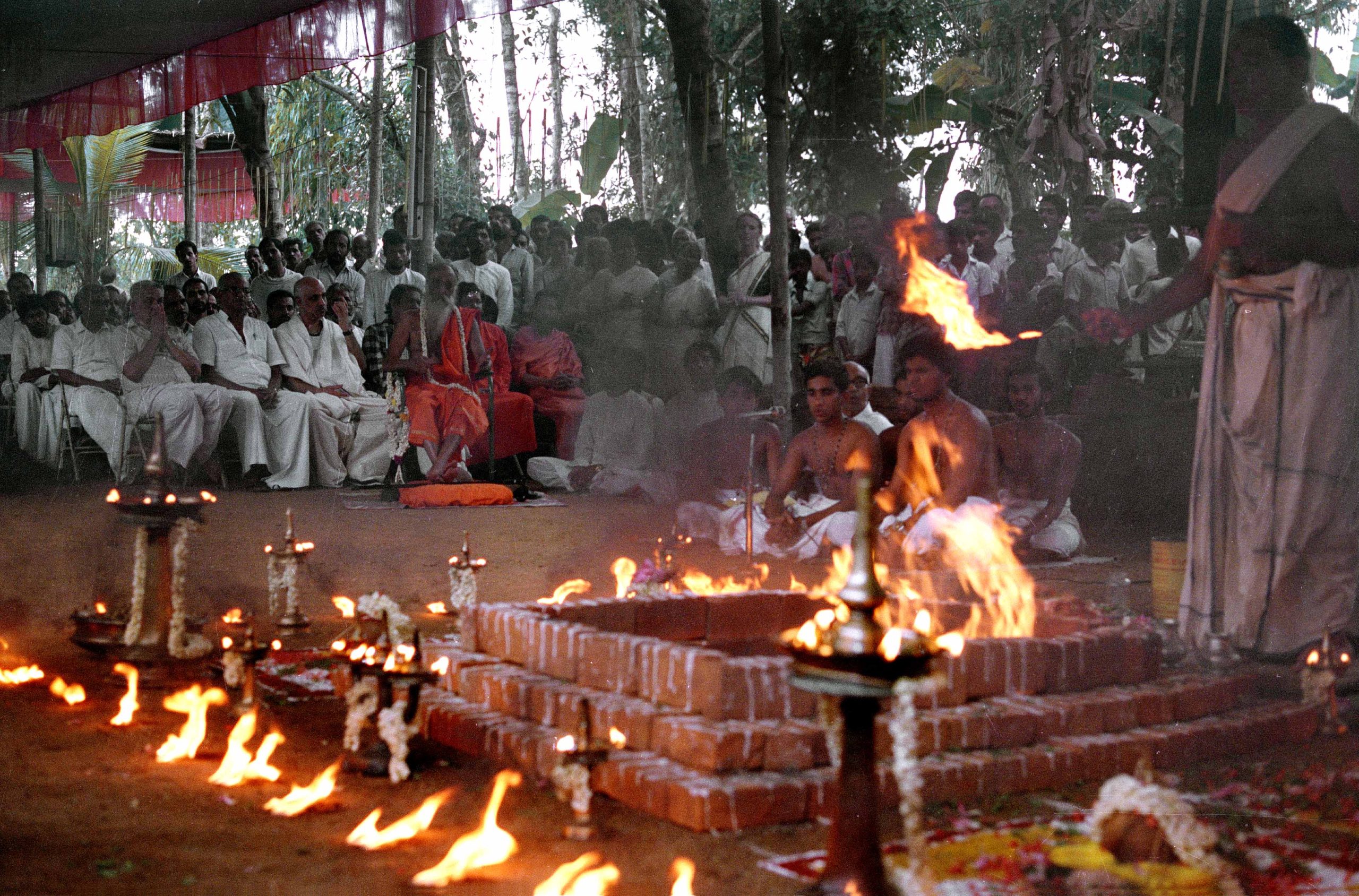
The 1950s were a defining decade in Swami Chinmayananda’s life — the period when his mission to revive and share spiritual knowledge began. He continued intense study of the scriptures under Swami Tapovan Maharaj in Uttarkashi (Himalayas).Deeply absorbed in Vedantic studies and meditation, preparing for his life’s mission.He returned to the plains of India after years of study and began his first Jnana Yajna (spiritual discourse) in Pune, Maharashtra — the first-ever public Vedanta lecture series in independent India.This event marked the birth of the Chinmaya Mission Movement.He then conducted multiple Jnana Yajnas across India — in cities like Chennai, Delhi, and Hyderabad and inspired thousands to study and live Vedanta through practical application.The formation of early study groups and spiritual gatherings later evolved into Chinmaya Mission centers.The Chinmaya Mission was formally established in Chennai to organize the growing movement.The Mission’s motto was coined: “To give maximum happiness to the maximum number for the maximum time.”The Mission expanded across India and to other countries.Swami Chinmayananda’s talks drew massive audiences; his message connected modern life with ancient wisdom.The publication of Tapovan Prasad and other Chinmaya Mission magazines began.

An afternoon midsummer dream born on the banks of the roaring Ganga at Gangotri grew into an irresistible calling. The rushing waters of the mighty river sparked in the young Swami Chinmayananda the urge to carry down the enriching spiritual wealth to the corners of India. Gaining permission from a reluctant Swami Tapovan Maharaj, He set out on an All-India Tour from May to October of 1951. When He returned to Uttarkashi, Swami Chinmayananda carefully envisioned the Gangotri Plan.
With four annas (currency unit formerly used in British India) in his pocket, Swami Chinmayananda alighted at the railway station of Pune (then known as Poona) on Dec. 23, 1951 and began his first discourse that very evening. In those days, yajna meant the long traditional havans, the elaborate fire rituals. Taking cue from the Bhagavad Gita, he brought alive the jnana yajna (A series of Spiritual Discourses), where the fire of spiritual knowledge is kindled and the primal ignorance is burnt forever. The 100-day Upanishad Jnana Yajna that followed was a saga par excellence.
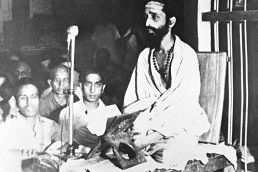
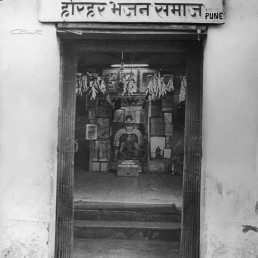
Heres a look at the location where Pujya Gurudev conducted his first Jnana Yajna. Also take a look at the same location now years later.

Photo Gallery